
01
Toys & Play
Hot Wheels That Hold Their Value
Redlines, base stamps and the tiny marks collectors chase.
All field guides · 20 and growing
Browse every Thrift Field Guide by collecting lane. Each guide begins with the object's story, then moves to identification marks, exact photos, conservative buy ceilings, sold-search paths, and reasons to walk away.
Return to the current issue →
Collection 01
Small-scale objects with large collector vocabularies: castings, pontils, maker labels, materials, and character identity.
Toys & Play
Redlines, base stamps and the tiny marks collectors chase.
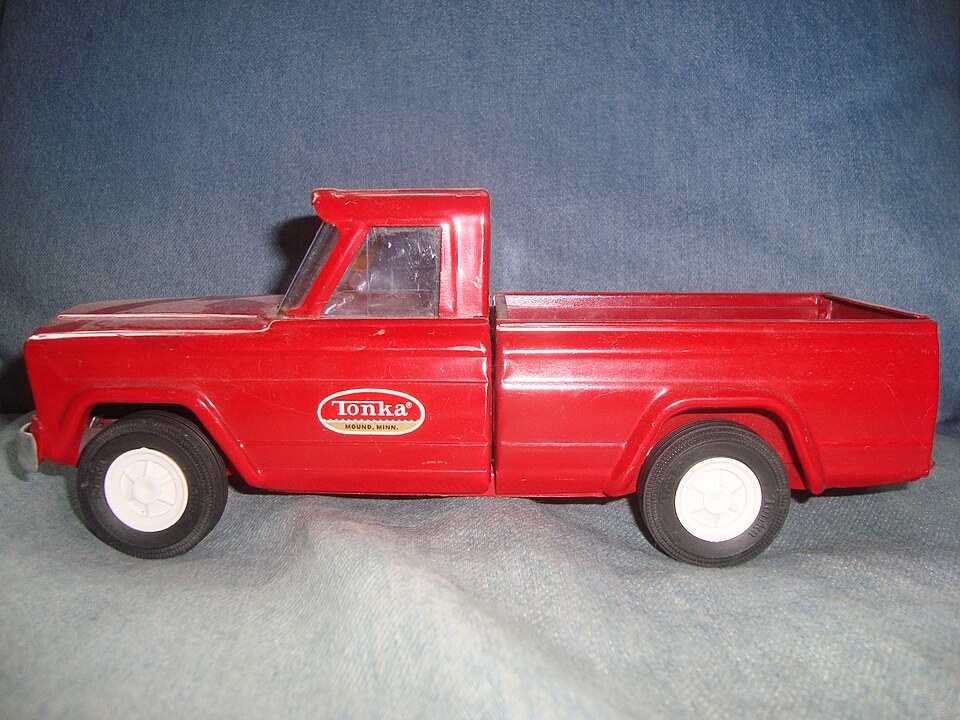
Steel Toys
Size, steel construction, working parts and the repaint that changes the comparison.
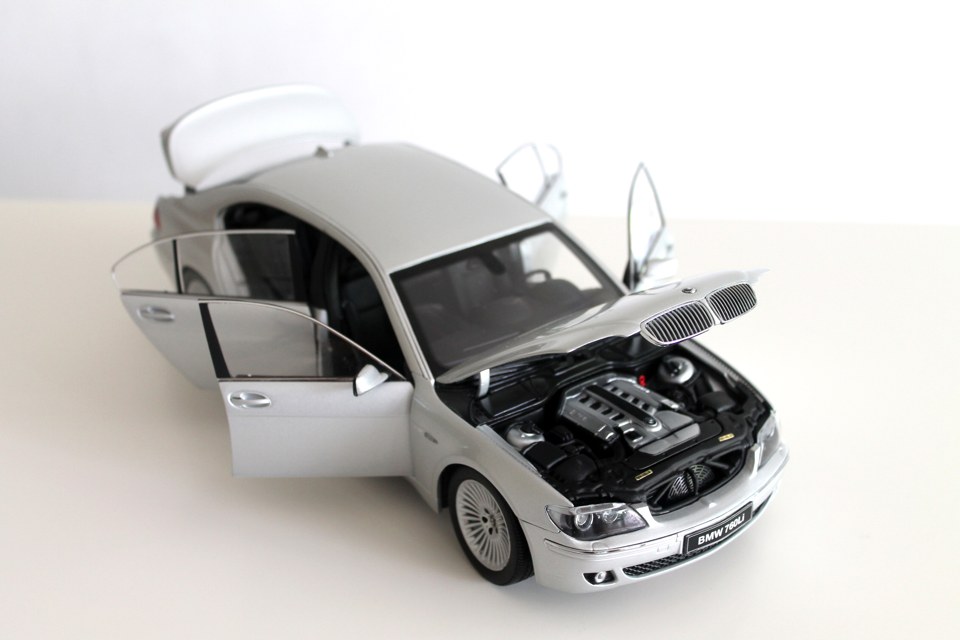
Scale Models
Product numbers, scale and fragile fittings separate a complete display model from a repair project.

Small Treasures
Pontils, patterns and the difference between pennies and hundreds.

Toys & Play
Ear buttons, signed paws, mohair, and the paperwork that separates an artist object from ordinary plush.

Toys & Play
Neck stamps, white cloth bodies, and the meet outfit that separates a named historical character from a naked lot doll.

Toys & Play
MGA marks, face screenings, and original outfits that turn a loose doll back into a named Bratz release.

Toys & Play
Head sculpts, 1959-1972 woven labels, and complete named fashions that separate one Barbie market from another.

Toys & Play
Body clues route the search; the exact sculpt, matched fashion, item number, and certificate earn the collector ceiling.
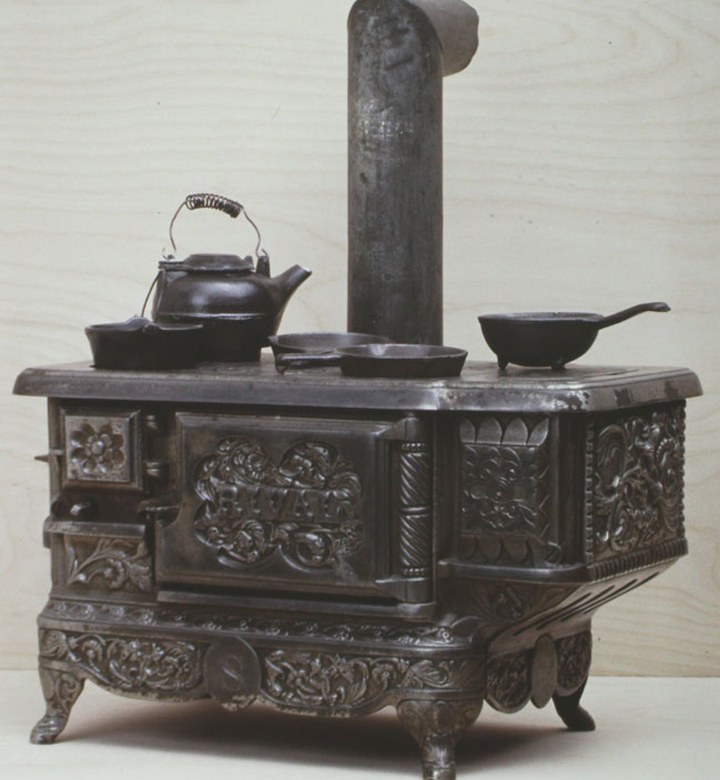
Small Treasures
Maker marks, missing lids, mixed materials, and the salesman-sample claim that needs proof.
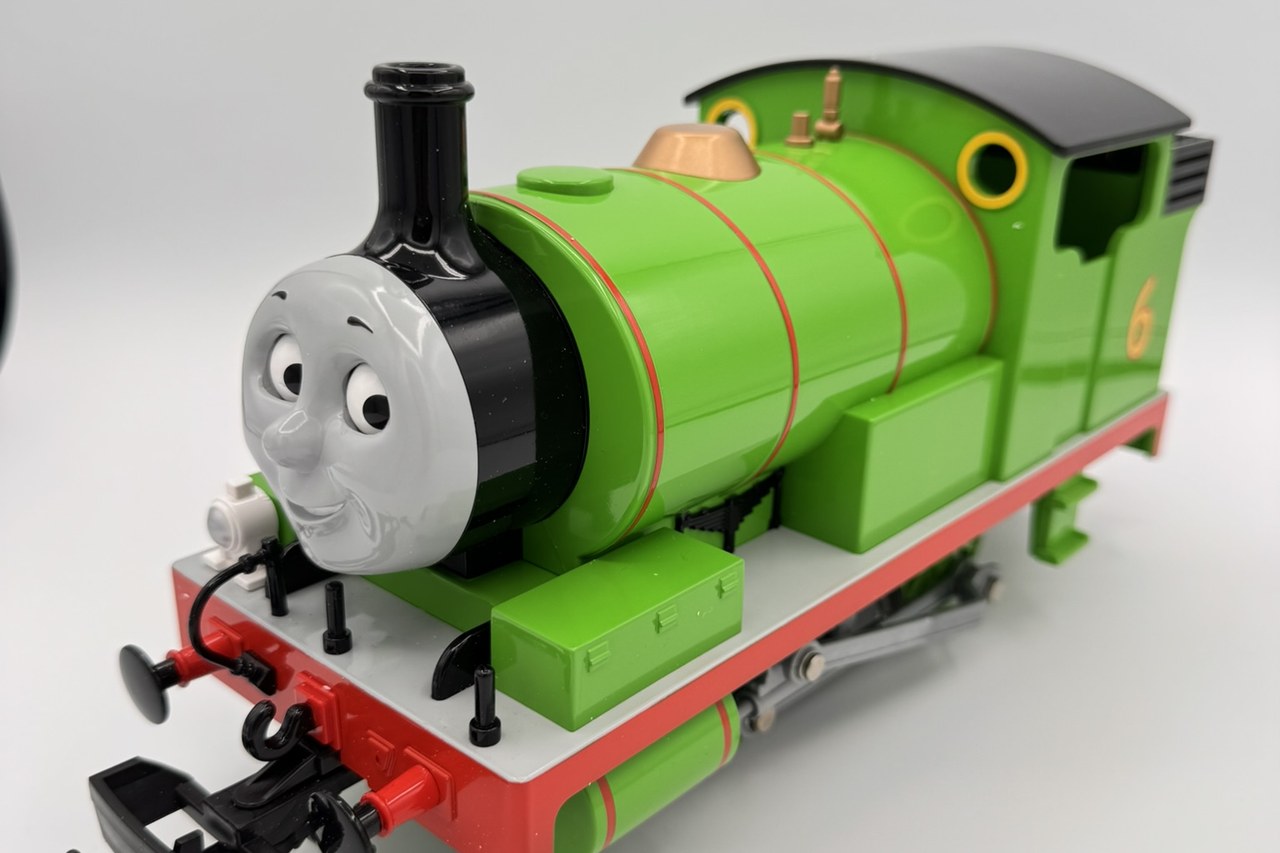
Toys & Play
Scale, catalog numbers, road numbers, matched parts, and the working test that turns a train into an exact model.
Collection 02
Useful objects whose value lives in pattern names, backstamps, logo eras, serial numbers, completeness, and working condition.

Made by Hand
Painted canvas, sealed bead packs, brittle old thread, and the one form in this category that a single missing colour destroys.

Kitchen Classics
Pattern names, backstamps and the gloss test that protects your margin.

Built to Last
Read the bottom like a coin: logos, numbers, cracks and warp.

Sewing Classic
Why quilters still compete for the Singer 221, and pay more for the 222K.
Collection 03
Fragile objects where artist inscriptions, workshop seals, exposed clay, exact subjects, repairs, and shipping risk decide the research lane.

Ceramics & Sculpture
Artist inscriptions, workshop seals, exposed clay, and the repairs that decide whether the attribution survives.
Collection 04
Playable objects where a store brand hides the factory, the serial number does the dating, and a repair quote can erase the entire margin.

Music & Sound
Store brands, tribute labels, model numbers, serial numbers, and the repair quote that decides the whole deal.
Collection 05
Ornaments and seasonal objects where exact names, years, boxes, caps, series records, and fragile condition determine the market.

Christmas & Holiday
Series years, artists and the details that make an ornament searchable.

Christmas & Holiday
Box labels, retirement lists and the glass-neck check that separates a collectible from a gamble.

Holiday Archive
Cardboard caps, silvering and the postwar story inside an attic box.